
The Silent Relationship Killer: Emotional Disconnection
When most people think about what ends relationships, they picture constant fighting, betrayal, or major conflicts. But often, it’s something quieter, something that creeps in slowly and unnoticed. That “something” is emotional disconnection.
What Is Emotional Disconnection?
Emotional disconnection happens when partners stop feeling truly seen, heard, or understood by each other. On the outside, the relationship may look fine: you share a home, responsibilities, and maybe even laughter at times. But underneath, there’s a growing distance.
Instead of feeling like teammates, you might feel more like roommates, living side by side but not deeply connected.
Signs of Emotional Disconnection
It can be subtle, but here are a few red flags that may point to emotional distance:
Conversations stay surface-level, avoiding deeper thoughts or feelings
Physical intimacy feels less frequent or less meaningful
You feel lonely even when your partner is right beside you
Arguments circle around the same topics without resolution
Small irritations replace warmth, humor, or curiosity about each other
Why Does It Happen?
Emotional disconnection rarely happens overnight. It often builds over time due to:
Life stressors: Work, parenting, or financial pressures can leave little room for connection
Unresolved conflicts: When problems aren’t addressed, partners may slowly withdraw
Avoidance of vulnerability: Sharing feelings can feel scary, so some partners shut down instead
Routine and busyness: Relationships need tending, without effort, connection naturally fades
How to Rebuild Connection
The good news is that emotional disconnection isn’t the end of the story. With intention and care, couples can often find their way back to each other. Here are some ways to begin:
Start small. Ask genuine questions like “How was your day, really?” and listen with curiosity.
Schedule connection time. Just like work meetings, relationships need planned quality time with the phones down, presence up.
Express appreciation. Notice and acknowledge the little things your partner does. Gratitude builds closeness.
Practice vulnerability. Share how you’re truly feeling, even if it feels uncomfortable at first.
Seek support. Sometimes a neutral space, like counselling, helps couples reconnect in ways they can’t manage alone.
A Gentle Reminder,
Every relationship experiences distance at times. Emotional disconnection doesn’t mean love is gone. It means the bond needs care and attention. Think of it like a garden, when you water, nurture, and create space for growth, connection can flourish again.
with love,
Elnaz Reyhani

Why Avoiding Your Emotions Doesn’t Make Them Go Away
Have you ever told yourself, “I don’t have time to feel this,” or “I’ll deal with it later”. Only to find that “later” never really comes?
If so, you’re not alone. Many of us grow up believing that emotions are inconvenient, dramatic, or even unsafe. So we push them down. We distract ourselves. We stay busy. We tell ourselves to move on.
But here’s the thing: emotions don’t disappear just because we ignore them. They don’t vanish they wait. And over time, they can show up in ways we don’t expect:
- Sudden irritability
- Feeling disconnected or numb
- Anxiety that seems to come out of nowhere
- Trouble sleeping or focusing
- A constant sense of heaviness or restlessness
When we avoid our feelings, we’re not avoiding pain, we’re prolonging it.
Emotions Are Messengers, Not Enemies
Emotions aren’t here to ruin our day. They’re here to give us information. Anger might be pointing to a boundary being crossed. Sadness might be asking us to slow down and tend to something we’ve lost. Anxiety might be flagging a part of us that feels unsafe or overwhelmed.
When we learn to listen, rather than silence, our emotions they soften. They move through us. And we become more in tune with who we are and what we need.
But What If I Don’t Know How to Feel?
That’s a completely valid question. If you’ve spent years learning to survive by staying strong, quiet, or “put-together,” then emotional expression might feel foreign, even scary.
Therapy gives you a safe place to practice feeling.
There’s no rush. No pressure. No “right” way to do it.
Together, we explore what’s underneath the surface at your pace. Sometimes that looks like naming what you’re feeling for the first time. Other times it looks like sitting quietly with a feeling without needing to fix it.
The goal isn’t to drown in your emotions; it’s to learn how to ride the waves, one breath at a time.
You Don’t Have to Carry It Alone
If you're tired of bottling things up…
If you’re feeling stuck or overwhelmed and not sure why…
If you’ve been avoiding your emotions because they just feel like too much…
You're not broken. You're human. And it’s okay to need support.
Therapy offers space to feel without judgment, to explore without fear, and to reconnect with the parts of you that have been patiently waiting to be heard.
I’d be honoured to walk alongside you as you begin that journey.
With warmth,
Elnaz Reyhani, RPC Student
Founder of Serenity Haven Counselling
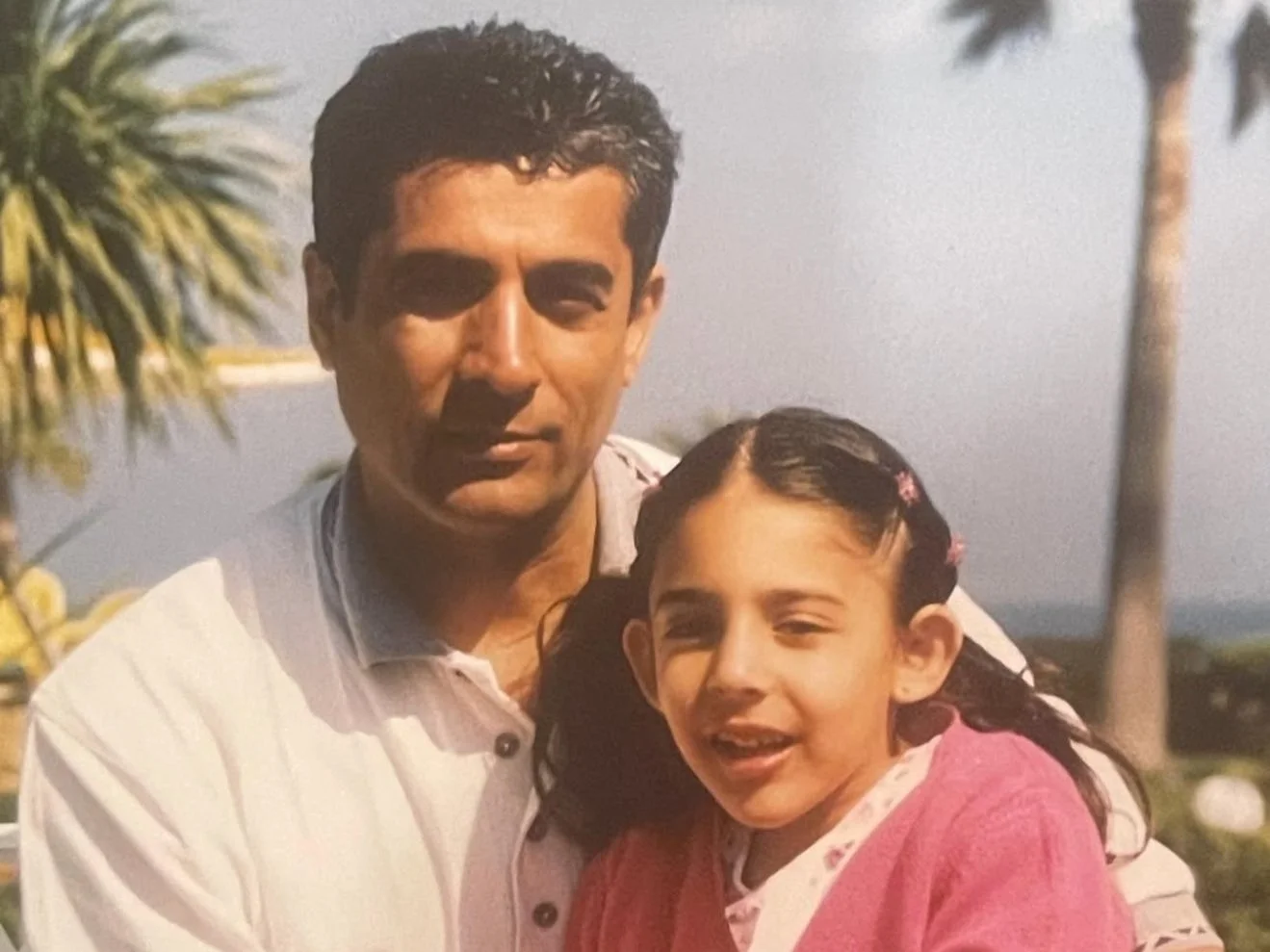
From Grief to Growth: Why I Chose to Become a Counsellor
It all begins with an idea.
There are moments in life that shape us quietly, and others that crack everything open. For me, it was the day I lost my dad. I was ten years old, just a child and yet I remember that day with the sharpness and ache of something unforgettable. He wasn’t just my father; he was my best friend, my safety, my comfort. And suddenly, he was gone.
In the years that followed, I became very good at being “fine.” I smiled. I stayed strong. I did what I was supposed to do. But underneath it all, I was carrying a weight that no one could see. There wasn’t space to talk about grief in the way I needed. No one asked me how I was really doing. No one sat with me in the silence, in the messiness, in the ache.
That experience stayed with me, not just as a painful memory, but as a guiding force. It showed me how deeply we all need to be held, seen, and supported when life unravels. It taught me that pain doesn’t disappear just because time passes. And most importantly, it planted the seed that would one day become Serenity Haven Counselling.
Today, I’m a Registered Professional Counsellor based in Vancouver, offering a space I once needed, a space where it’s okay to not have the answers, to feel lost, to cry, to question, and to simply be. I work with adults and young adults navigating grief, trauma, anxiety, identity, relationship struggles, and everything in between. My approach is warm, nonjudgmental, and deeply client-centred, because I believe healing looks different for everyone.
This work isn’t just a career for me, it’s personal. I know what it’s like to feel alone in your pain. I know how hard it can be to ask for help, to trust someone with your truth. And I also know the quiet magic that can happen when you take that first brave step toward healing.
Therapy isn’t about fixing you, because you’re not broken. It’s about reconnecting with your inner strength, your voice, your story. It’s about gently unpacking the weight you’ve been carrying and learning to breathe a little easier. Sometimes, it’s about grieving what was lost. Other times, it’s about imagining something new.
Whether you're in the middle of a storm or just starting to process what you've been through, you are welcome here. Your pain matters. Your healing matters. And I would be honoured to walk alongside you on this journey.
Thank you for being here and for allowing me to share my heart. If my story resonates with you, I invite you to reach out, even if you’re not sure where to begin. We can take it one gentle step at a time, together.
With warmth and compassion,
Elnaz Reyhani, RPC Student
Founder & Counsellor, Serenity Haven Counselling